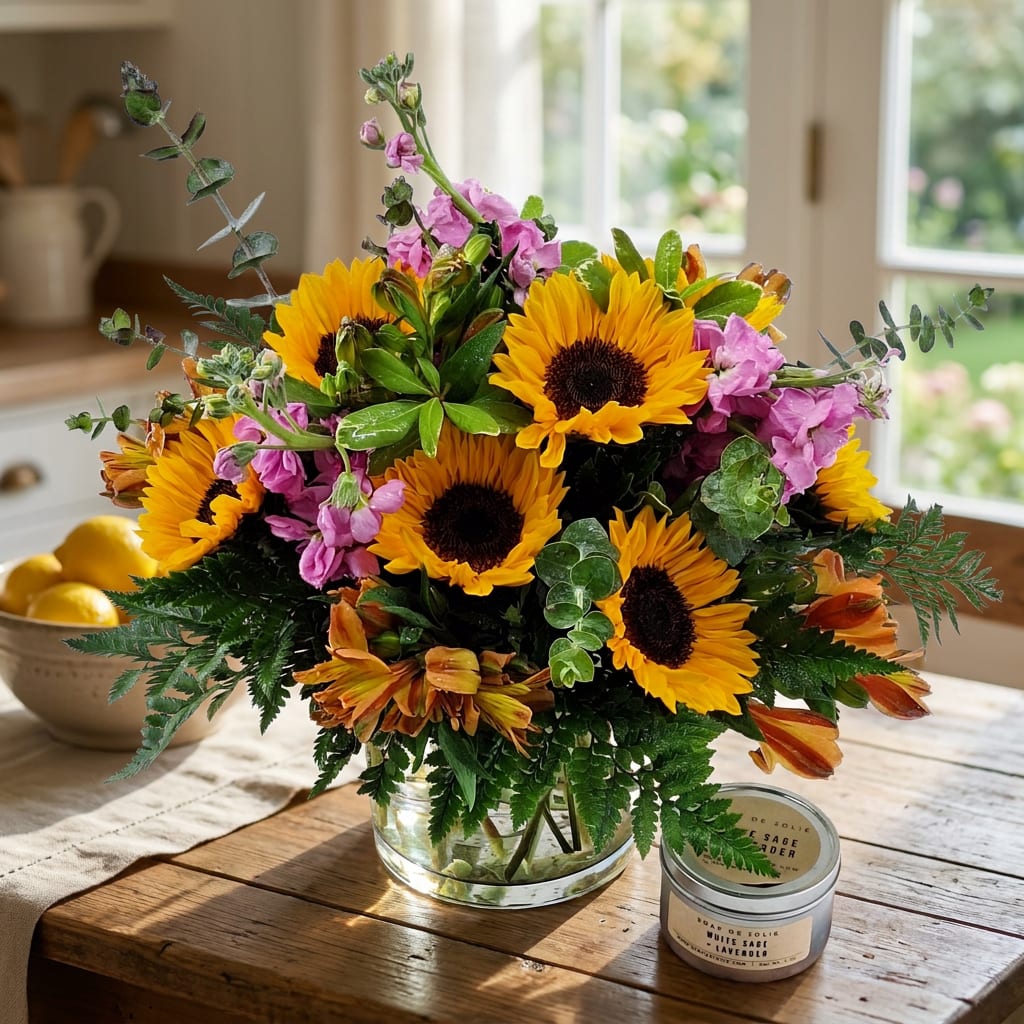
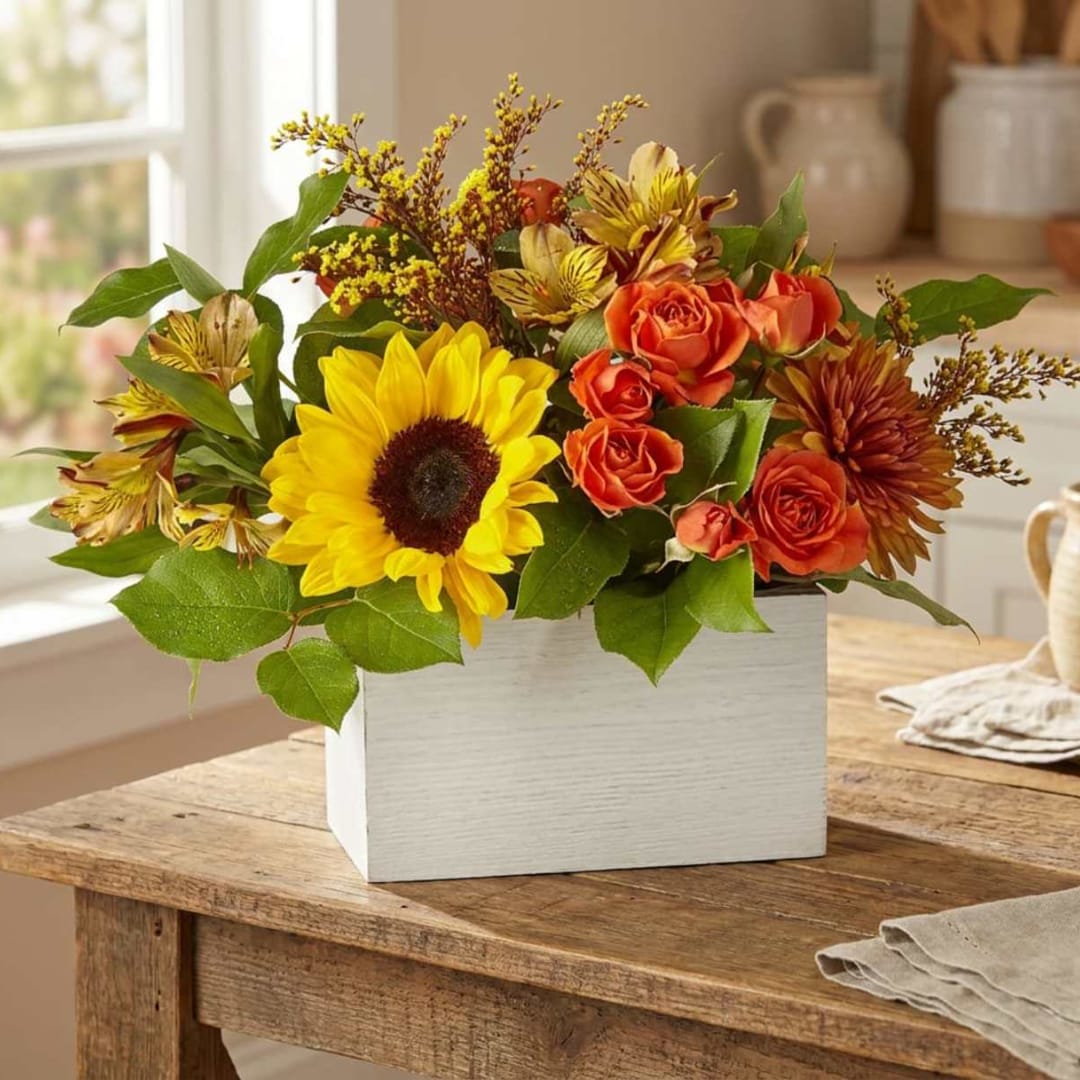
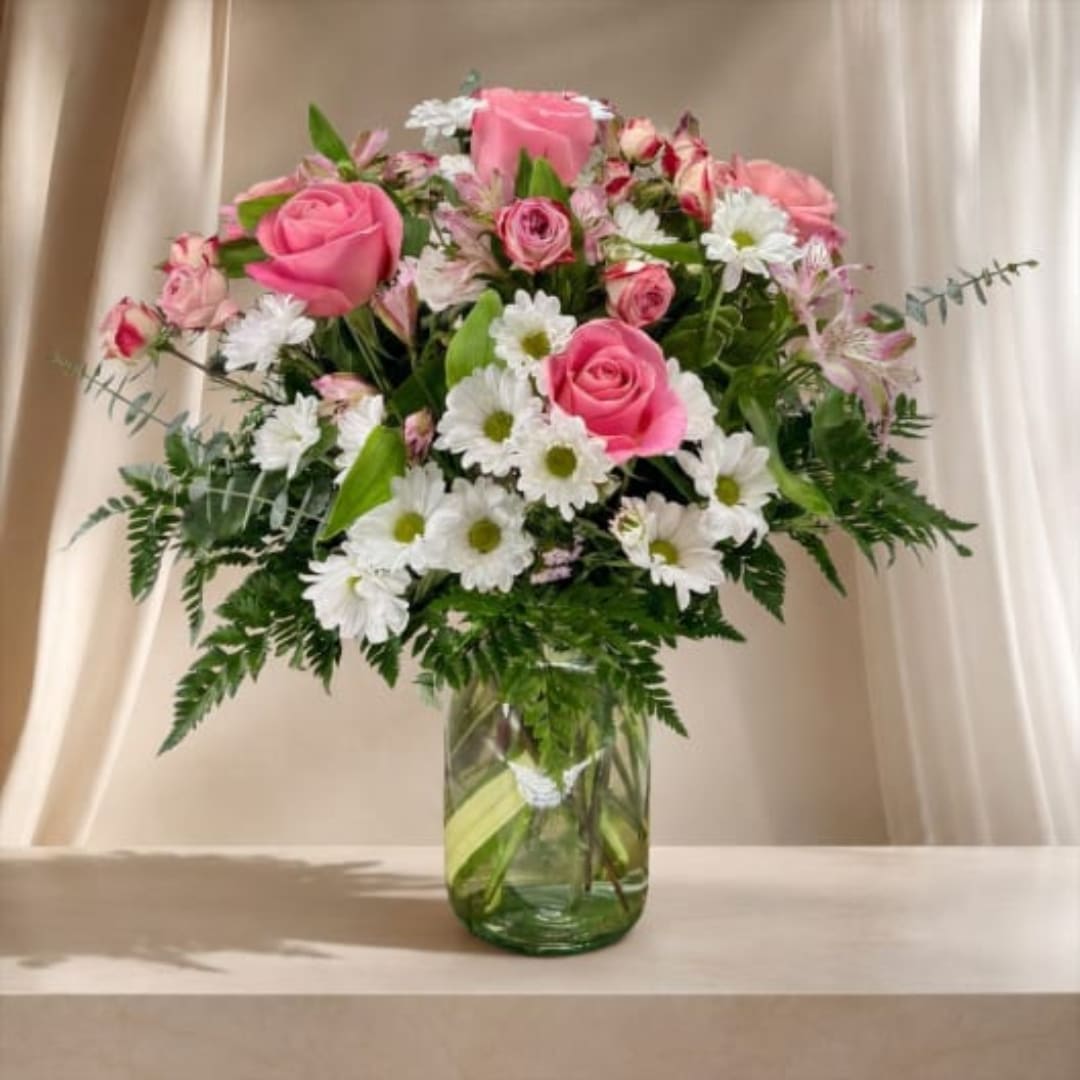
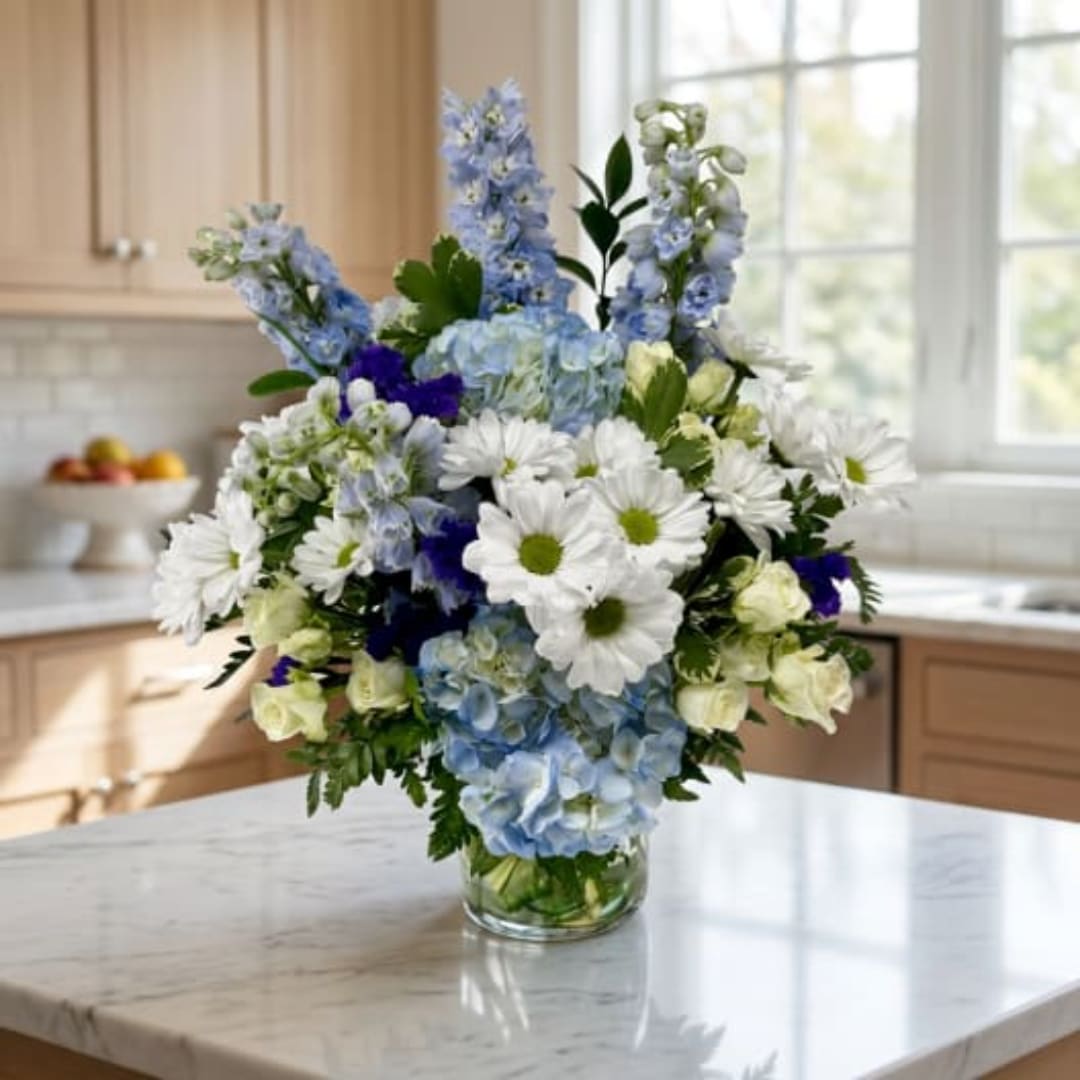
When someone experiences the loss of a loved one, finding the right way to express your condolences can be difficult. Flowers offer a thoughtful way to show support, honor a life, and remind grieving families that they are not alone. But when choosing a floral tribute, it's helpful to understand the difference between sympathy flowers and funeral flowers.
Although both express compassion and remembrance, they serve different purposes. From formal arrangements displayed during a funeral service to thoughtful bouquets delivered to a family's home, choosing the right flowers can help convey your message with care and respect.
What Are Funeral Flowers?
Funeral flowers are formal floral tributes created to honor the deceased during a funeral, memorial service, viewing, or graveside ceremony. These arrangements are often larger and designed to be displayed at the service as a visible expression of love, respect, and remembrance.
Common types of funeral flowers include:
Standing sprays: Large arrangements displayed on an easel, often placed near the casket or memorial area.
Casket sprays: Floral arrangements designed to rest on the casket, typically ordered by close family members.
Wreaths: Circular floral tributes that symbolize remembrance, eternity, and the enduring nature of love.
Funeral baskets and arrangements: Floral designs that can be displayed on tables, pedestals, or other designated areas at the service.
When ordering funeral flowers, it's important to confirm the service location, date, delivery time, and any instructions provided by the funeral home. Funeral directors often coordinate the placement of arrangements to ensure everything is ready before guests arrive.
Some arrangements may be taken home by family members after the service, depending on the family's wishes and the funeral home's arrangements.
What Are Sympathy Flowers?
Sympathy flowers are personal floral gifts sent to express condolences and offer comfort to someone who has experienced a loss. Unlike formal funeral tributes, these arrangements are often delivered directly to the family's home, workplace, or another appropriate location.
The goal is to offer a gentle reminder that the recipient is being thought of during a difficult time.
Popular sympathy flower options include:
Vase arrangements: Ready-to-display bouquets that allow recipients to enjoy the flowers without needing to arrange them immediately.
Peaceful white arrangements: White roses, lilies, and other suitable blooms are often chosen to represent peace, remembrance, and respect. If the recipient has cats, avoid true lilies because they are extremely toxic to cats.
Soft pastel bouquets: Blush, lavender, and cream flowers create a gentle, comforting presentation.
Orchid plants: A thoughtful option that can continue growing with proper care and serve as a lasting reminder of support.
Potted plants: Green plants can offer a lasting expression of care, provided the variety is suitable for the recipient's household and preferences.
When selecting sympathy flowers, consider the recipient's living space, cultural traditions, and personal preferences. A modest vase arrangement may be more practical than a large display, especially if the family is receiving many deliveries.
Sympathy Flowers vs. Funeral Flowers: What's the Difference?
Although both types of arrangements communicate condolences, there are a few important differences to consider.
Purpose: Funeral flowers are designed to honor the deceased during a service or memorial. Sympathy flowers are generally sent to comfort and support the grieving family personally.
Size and style: Funeral arrangements may include large standing sprays, wreaths, and casket flowers. Sympathy gifts are usually smaller bouquets, vase arrangements, or plants suitable for a home or office.
Delivery location: Funeral flowers are delivered to the funeral home, place of worship, or another designated service location. Sympathy flowers are commonly delivered to a residence or workplace, although they can also be sent to a funeral home.
Who sends them: Close family members often select casket flowers, while relatives, friends, coworkers, and acquaintances may send standing sprays or sympathy bouquets. There are no strict rules, and the family's wishes should always come first.
Presentation: Funeral flowers are often designed for a formal display. Sympathy arrangements are generally more personal and intended to offer comfort in an everyday setting.
Understanding these differences can help you choose an arrangement that suits both the occasion and your relationship with the family.
When Should You Send Sympathy or Funeral Flowers?
Timing is an important part of floral etiquette, especially when arrangements need to arrive at a specific location.
Before the Funeral Service
If you are ordering funeral flowers, place your order as early as possible and provide the funeral home's name, service date, and scheduled time. Standing sprays, wreaths, and other formal tributes should arrive before the service begins, allowing the funeral home to coordinate their placement.
Always confirm the florist's delivery availability and any restrictions from the funeral home.
Immediately After Hearing the News
Sympathy flowers can be sent as soon as you learn of the loss. A thoughtful arrangement accompanied by a personal note can provide comfort during the early days of grief.
If you are unsure whether the family is accepting deliveries, check with a relative or close friend first.
Weeks or Months Later
Support doesn't have to end after the funeral. In fact, the weeks and months following a loss can be especially difficult as everyday life resumes and others gradually return to their routines.
Sending flowers later, remembering an important anniversary, or simply reaching out with a thoughtful gesture can remind someone that they haven't been forgotten.
There is no single perfect time to express condolences. A sincere gesture, offered respectfully, can mean a great deal whenever it arrives.
Choosing the Right Flowers and Colors
Flowers can communicate different sentiments through their colors, shapes, and textures. While symbolism varies across cultures and traditions, some choices are commonly associated with sympathy and remembrance.
White flowers often represent peace, reverence, and remembrance.
Soft pink flowers can express tenderness, admiration, and affection.
Lavender and purple flowers are frequently associated with dignity, respect, and reflection.
Yellow flowers may communicate friendship, warmth, and support, depending on the recipient's traditions and preferences.
Roses, chrysanthemums, carnations, and orchids are popular choices for sympathy arrangements. Lilies are also common in funeral floristry, but they should never be included in arrangements intended for homes with cats because true lilies can cause fatal kidney failure in cats.
If you know the family's cultural or religious traditions, consider those preferences before selecting flowers. Some families welcome floral tributes, while others may prefer charitable donations or another form of remembrance.
What Should You Write on a Sympathy Card?
Finding the right words can feel just as challenging as choosing the flowers. You don't need to write a long message to show that you care. A few sincere words are often enough.
Here are some simple messages you can use:
"With heartfelt sympathy and caring thoughts during this difficult time."
"Thinking of you and your family and sending love and comfort."
"May the memories you cherish bring you peace in the days ahead."
"With deepest condolences and our sincerest thoughts."
"Wishing you comfort and strength as you remember someone so special."
If you knew the person who passed away, sharing a brief, meaningful memory can also be a beautiful way to honor their life.
A Thoughtful Gesture That Speaks from the Heart
Choosing between sympathy flowers and funeral flowers doesn't have to be complicated. The most important thing is to consider where the flowers will be displayed, when they need to arrive, and what would bring comfort to the grieving family.
Funeral arrangements offer a formal tribute during a service, while sympathy flowers provide a personal reminder of love and support at home or beyond the day of the funeral. Both can communicate something deeply meaningful when words are difficult to find.
At
Exceptional Flowers & Gifts, we understand that sympathy flowers require extra thought and care. Whether you're honoring a loved one at a service or sending a comforting arrangement to a family member or friend, our goal is to help you express your condolences with grace and compassion.
Explore our sympathy and funeral floral arrangements to find a thoughtful tribute for life's most difficult moments.